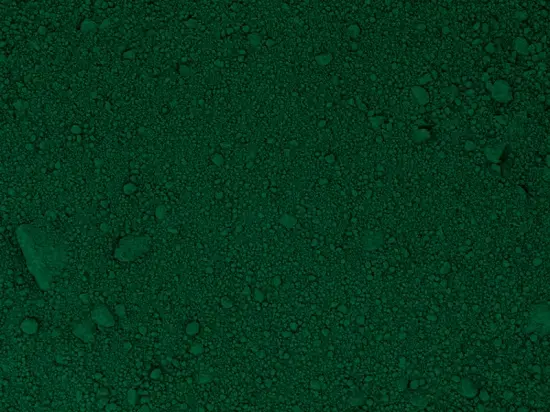


Scenedesmus sp. – Microalgae Powder (Green Algae)
- Protein
- Lipids
- Vitamins
- Minerals
- Amino Acids
On Demand weeks

Product Overview
Scenedesmus sp. is a genus of unicellular green algae found in freshwater and marine environments. The algae is characterised by a rapid reproduction rate and a broad nutritional profile encompassing proteins, lipids, vitamins, minerals, and amino acids. It is used across biotechnology, animal nutrition, cosmetics, and bioenergy applications [3, 5].
Typical applications: Scenedesmus sp. – Microalgae Powder (Green Algae)
Functional Highlights
- High protein and lipid content: well suited as a feed additive, particularly in aquaculture [3]
- Broad nutritional profile: contains essential amino acids, vitamins, and minerals
- Antioxidant and anti-inflammatory properties: relevant for cosmetic applications
- Photosynthetically active: contains chlorophyll a and b as well as carotenoids
- Rapid growth rate: high biomass output under varying environmental conditions
- Environmental adaptability: tolerates high temperatures, heavy metal concentrations, and salinity [4, 6]

Typical applications
- Animal feed – protein source in livestock farming and aquaculture [3]
- Food supplements – available in powder, tablet, or capsule form
- Cosmetics – active ingredient in skincare products due to antioxidant and anti-inflammatory properties
- Biofuel – extracted oils used as a basis for bioethanol and biodiesel production [5]
- Bioremediation – removal of heavy metals and nitrogen and phosphorus compounds from wastewater [4, 6]

ALGANEX certificate system
- ALGANEX guarantees a high quality product without impurities
- Heavy metal content tested in accordance with applicable regulation.
Product information: Scenedesmus sp. – Microalgae Powder (Green Algae)
Technische Spezifikationen
| Kohlenhydrate | 5 – 10 % |
| Ballaststoffe | 15 – 20 % |
| Lipide | 7 – 10 % |
| Protein | 45 – 55 % |
| Asche | 8 – 11 % |
| Feuchtigkeit | 3 – 6 % |
| Energiewert | 350 – 450 kcal/100 g |
*All values are indicative and may vary between batches. Please request a current Certificate of Analysis for exact specifications.
Production / Cultivation Notes
Scenedesmus sp. grows in stagnant or flowing waters such as lakes, ponds, rivers, and coastal waters. The algae prefers warm temperatures and sunny conditions but is capable of rapidly adapting to a wide range of environmental conditions, including extreme environments such as salt lakes.
Scenedesmus sp. is an autotrophic organism that performs photosynthesis and produces organic compounds. The cells are small and egg-shaped, forming colonies that can take various forms ranging from spherical to star-shaped. In the aquatic ecosystem, Scenedesmus sp. plays an important role as a primary producer, generating organic compounds that serve as a food source for other aquatic organisms.
Ordering & Contact
We supply Scenedesmus sp. powder in bulk for B2B buyers across the animal feed, food supplement, cosmetics, and biotechnology sectors. Delivery times are available on request. Contact us to request a quote, discuss volume requirements, or obtain a product specification sheet.
FAQ — Frequently Asked Questions
What is Scenedesmus sp.?
Scenedesmus sp. is a genus of unicellular green algae found in freshwater and marine environments. The algae grows singly or in colonies and is known for its rapid reproduction rate and broad nutritional profile of proteins, lipids, vitamins, minerals, and amino acids [3, 5].
What is Scenedesmus sp. used for?
Scenedesmus sp. is used in animal feed, food supplements, cosmetics, biofuel production, and bioremediation. The most common application is animal nutrition, particularly in aquaculture [3].
What nutrients does Scenedesmus sp. contain?
Scenedesmus sp. contains proteins, lipids, essential amino acids, vitamins, and minerals, as well as the pigments chlorophyll a and b and carotenoids.
How is Scenedesmus sp. used in cosmetics?
Due to its antioxidant and anti-inflammatory properties, Scenedesmus sp. is used in skincare products such as creams and serums, where it may contribute to reducing skin aging and improving skin texture.
Can Scenedesmus sp. be used for wastewater treatment?
Yes. Scenedesmus sp. has the ability to remove nitrogen and phosphorus compounds as well as heavy metals from wastewater, making it a promising candidate for bioremediation applications [4, 6].
What form is Scenedesmus sp. available in?
Scenedesmus sp. is available as a powder and can be supplied in bulk quantities on request.
How does Scenedesmus sp. compare to Spirulina and Chlorella?
Scenedesmus sp., Spirulina, and Chlorella are all protein-rich microalgae widely used in feed, supplement, and cosmetic applications, but they differ in composition and primary use cases. Among the three, Spirulina tends to have the highest protein content, followed by Chlorella, with Scenedesmus sp. showing comparatively higher fat and ash content [7]. Scenedesmus sp. produces more biomass and has higher lipid productivity than Chlorella under nitrogen-stressed conditions, making it particularly well suited for biofuel applications [8]. All three show antioxidant activity, though Spirulina generally leads in total antioxidant capacity [7]. Scenedesmus sp. is additionally distinguished by its documented potential in bioremediation and wastewater treatment, an application area not associated with Spirulina or Chlorella [4, 6].
Sources:
- Scenedesmus – AlgaeBase. Guiry MD & Guiry GM. National University of Ireland, Galway. https://www.algaebase.org/search/genus/detail/?genus_id=43474
- Scenedesmus – Wikipedia. https://en.wikipedia.org/wiki/Scenedesmus
- Uguz S, Sozcu A. Nutritional Value of Microalgae and Cyanobacteria Produced with Batch and Continuous Cultivation: Potential Use as Feed Material in Poultry Nutrition. Animals (Basel). 2023;13(21):3431. PMID: 37958186. https://pubmed.ncbi.nlm.nih.gov/37958186/
- Mahat SB et al. Scenedesmus sp. as a phycoremediation agent for heavy metal removal from landfill leachate. Environ Sci Pollut Res Int. 2024;31(38):50443–50463. PMID: 39093395. https://pubmed.ncbi.nlm.nih.gov/39093395/
- Tripathi G et al. Utilizing novel Aspergillus species for bio-flocculation: A cost-effective approach to harvest Scenedesmus microalgae for biofuel production. Curr Res Microb Sci. 2024;7:100272. PMID: 39296489. https://pubmed.ncbi.nlm.nih.gov/39296489/
- Zhang C, Wu DJ, Zhong CQ. Cultivating Scenedesmus dimorphus in lactic acid wastewater for cost-effective biodiesel production. Sci Total Environ. 2021;792:148428. PMID: 34147802. https://pubmed.ncbi.nlm.nih.gov/34147802/
- El-Chaghaby G et al. Assessment of phytochemical components, proximate composition and antioxidant properties of Scenedesmus obliquus, Chlorella vulgaris and Spirulina platensis algae extracts. 2019. https://www.researchgate.net/publication/337341653
- Přibyl P et al. Lipid productivity and fatty acid composition in Chlorella and Scenedesmus strains grown in nitrogen-stressed conditions. J Appl Phycol. 2012. https://link.springer.com/article/10.1007/s10811-012-9857-6
Reply within twelve hours